occupational therapy
WHAT IS
occupational therapy?
Occupational Therapy is a person-centred profession which promotes health, independence, and wellbeing through daily occupation. At Amrita Sinha Occupational Therapy, we enable people to participate in their daily activities by enhancing their ability to engage in their chosen occupations. To achieve this, we modify the occupation or the environment to facilitate goal achievement.
What is Occupational Therapy?
Occupational Therapy (OT) is a person-centred healthcare profession dedicated to helping individuals achieve health, independence, and wellbeing by supporting their participation in meaningful daily activities — called occupations.
At Amrita Sinha Occupational Therapy, the focus is on empowering people to take part in their daily routines and tasks by strengthening their capacity to perform chosen activities. This involves tailoring or modifying both the activities themselves (occupations) and the environment in which they occur, so that people can reach their personal goals and live more fulfilling lives.
Who Do Occupational Therapists Work With?
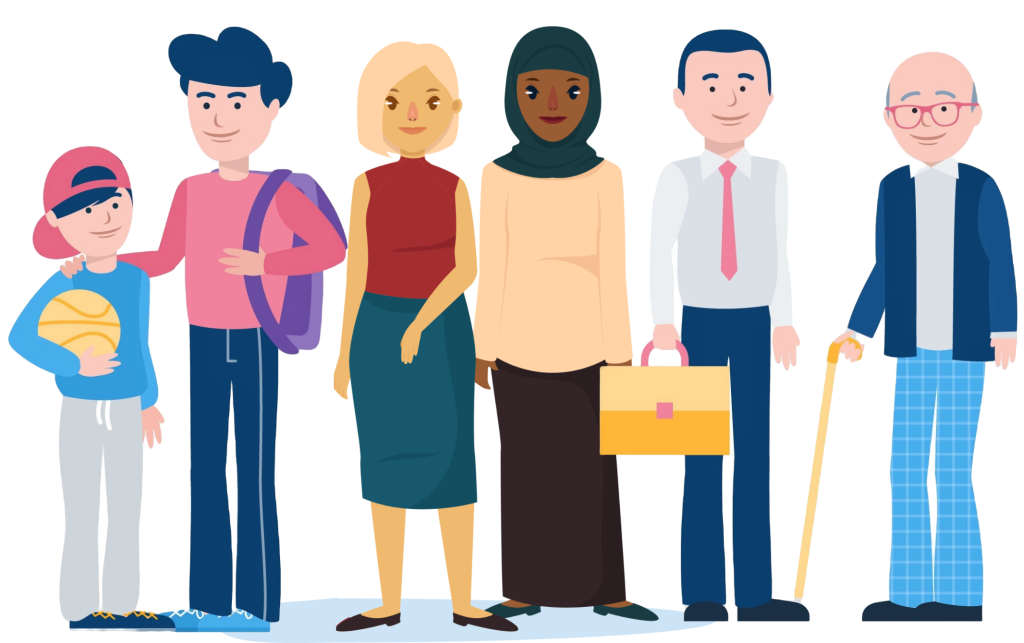
Occupational Therapists at Amrita Sinha work with people across all stages of life who experience difficulties in daily living due to injury or disability. These challenges might include:
- Mental health conditions & psychosocial disabilities: Supporting individuals who face emotional or social challenges that limit their ability to participate fully in everyday activities.
- Neurodevelopmental challenges: Providing structured learning plans, communication aids, and skill‑building exercises to support people with autism spectrum disorder, ADHD, dyslexia, or other learning differences—often coordinating with families and schools for a consistent, nurturing environment.
- Trauma & neurodiversity: Combining trauma‑informed care with individualized support—such as sensory regulation techniques, narrative therapy, and community mentorship—to empower those whose neurological differences intersect with past traumatic experiences.
- Mismatch of environmental supports: Identifying and removing physical and social barriers—through workspace adaptations, social‑skill peer groups, or family education— so individuals can live more independently and participate fully in their homes, workplaces, and communities.